
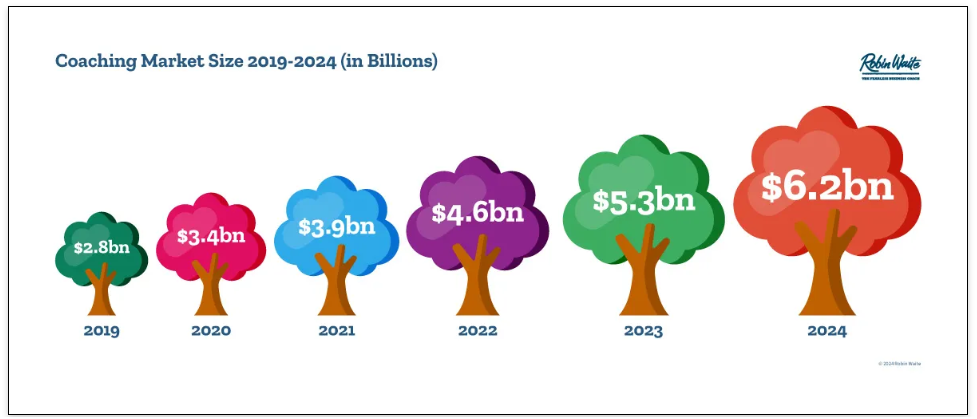
In the past decade, the coaching industry has quietly evolved from a niche professional service into a global movement of human transformation. Whether it’s life coaching, executive coaching, relationship or mental wellness coaching — the world today is more open than ever to personal growth, self-awareness, and emotional intelligence.
As we step into the next five years, the coaching industry stands on the brink of an extraordinary expansion — both in reach and relevance.
1. The World Is Moving from Therapy to Transformation
Post-pandemic, individuals are not just seeking relief from problems; they are looking for clarity, confidence, and purpose. Coaching fills this gap perfectly — bridging the space between clinical therapy and everyday living.
Coaching is about empowering people to take responsibility for their growth. It’s not just about healing the past but creating a new future. Over the next five years, this proactive approach will make coaching an essential part of both personal and professional development.
2. Rising Demand for Specialized Coaches
The one-size-fits-all approach is gone. The coming years will witness a surge in niche-specific coaching, such as:
- Relationship & Marriage Coaching – helping couples create emotional intimacy.
- Career & Leadership Coaching – supporting professionals in developing soft skills and emotional intelligence.
- Health & Wellness Coaching – merging psychology, nutrition, and mindfulness.
- Spiritual & Mindset Coaching – guiding individuals towards inner peace and clarity.
As people search for tailored solutions, coaches who specialize and brand themselves effectively will thrive.
3. Technology and AI Integration
AI tools, digital platforms, and online communities are reshaping how coaching is delivered. Virtual sessions, chat-based mentoring, and even AI-assisted reflection tools are becoming mainstream.
However, the human touch remains irreplaceable. While AI can help with structure and insights, the emotional connection and deep presence a coach offers will always be the heart of transformation. The most successful coaches will blend technology with empathy.
4. Coaching as a Mainstream Profession
By 2030, the coaching industry is projected to surpass $30 billion globally, according to multiple professional reports. Organizations are now investing heavily in coaching for employee well-being, leadership development, and culture building.
In India and other emerging countries, coaching will soon be as recognized as consulting or therapy — a legitimate profession backed by certification, ethics, and measurable outcomes.
5. The Emotional Economy Is the Future
We live in an age of information overload but emotional scarcity. People have everything — except inner peace.
The future belongs to those who can help others manage emotions, break limiting beliefs, and live consciously.
The next generation doesn’t just want jobs; they want fulfillment. They don’t just want success; they want significance. Coaches are the new guides of this emotional economy — helping people rediscover balance, meaning, and resilience.
Conclusion: The Time to Step In Is Now
The coaching industry isn’t just growing; it’s evolving into a global movement of human empowerment.
In the next five years, those who invest in skill-based, ethical, and heart-centered coaching will not only build thriving careers but also make a lasting difference in people’s lives.
If you have the passion to guide, the patience to listen, and the wisdom to hold space — the world is waiting for your voice.
The future of coaching is not just bright; it’s necessary.